


.jpg)

Earth Tones Done Right: Transform Your Home with Nature-Inspired Hues


Bringing the outdoors in is more than just a trend; it's a design philosophy that creates calming, grounded, and timeless interiors. Using earth tones—the rich, muted colors found in nature—is the perfect way to build a space that feels like a sanctuary. From the soft beige of a sandy beach to the deep green of a forest floor, these hues provide a soothing backdrop for modern living.
This guide will walk you through how to use earth tones the right way. We'll explore how to select the perfect shades, layer natural materials, and play with textures to create a home that is both sophisticated and deeply relaxing. Get ready to transform your space with the simple beauty of nature-inspired hues.
Understanding the Earth Tone Palette
Before you start painting, it's helpful to understand what falls under the "earth tone" umbrella. These colors are drawn directly from the natural world—think soil, rocks, trees, and sky. They are generally muted and have a warm, organic feel that is easy on the eyes.
Key earth tone families include:
Browns: From light tan and beige to deep chocolate and espresso.
Greens: Moss, olive, sage, and forest green.
Grays: Stone, slate, and charcoal.
Reds & Oranges: Terracotta, rust, and burnt sienna.
Blues: Muted shades like dusty blue or deep navy, reminiscent of water or a twilight sky.
The beauty of this palette is how effortlessly the colors work together. Just as they do in nature, these hues harmonize to create a cohesive and balanced environment.
How to Choose Your Perfect Shades
Selecting the right earth tones for your home depends on the mood you want to create. Do you want a light and airy feel, or a cozy and dramatic one? Your answer will guide your color choices.
Start with a Neutral Base
The easiest way to build an earth-toned room is to start with a versatile neutral base. Walls painted in warm beige, soft taupe, or a gentle off-white create a flexible canvas. These lighter shades reflect natural light, making the space feel open and airy. They provide a calm backdrop that allows other elements in the room, like furniture and art, to stand out.
If you're feeling a bit more adventurous, consider a moodier neutral. A deep charcoal gray or a rich mushroom brown can serve as a dramatic and sophisticated base. These darker tones envelop the room, creating an intimate and cozy atmosphere that is perfect for bedrooms or living rooms.
Layer in Accent Colors from Nature
Once you have your neutral base, you can begin layering in accent colors. This is where you can have fun and inject personality into the space. Look to nature for inspiration. A soft sage green can evoke the feeling of a peaceful garden, while a splash of terracotta brings the warmth of a desert landscape.
Use these accent colors on a feature wall, through your choice of furniture, or in smaller decor items. A navy blue sofa, olive green kitchen cabinets, or a rusty red armchair can become stunning focal points. The key is to maintain balance; let one or two accent colors shine without overwhelming the room.
The Importance of Natural Materials
To truly bring the outdoors in, you need more than just color. Incorporating natural materials is essential for adding authenticity and texture to your earth-toned interior. These materials connect your space to the natural world in a tangible way.
Wood: The Ultimate Grounding Element
Wood is perhaps the most fundamental material in earth-toned design. Its warmth and organic grain add instant character and a sense of history. You can use wood in many ways, from hardwood flooring to furniture and decorative accents.
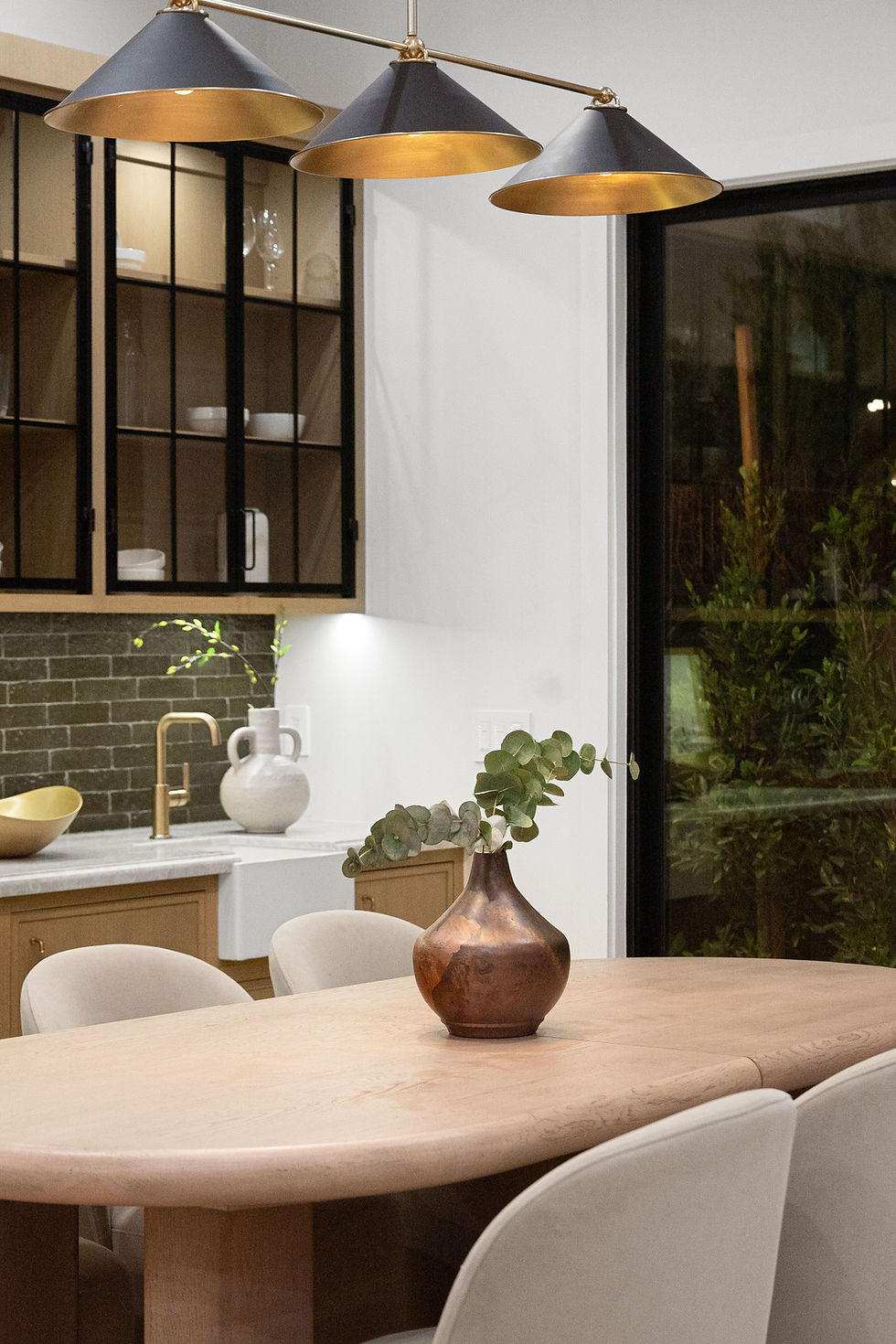
Consider a reclaimed wood dining table, an oak media console, or light pine shelving. Don't be afraid to mix different wood tones. The variation adds depth and a more curated, collected feel. Lighter woods like ash or maple can keep a space feeling bright, while darker woods like walnut or mahogany add a touch of drama.
Stone, Clay, and Concrete
Incorporate other natural materials to build on your design's earthy foundation. A slate floor, a marble countertop, or a concrete coffee table can introduce a cool, sleek contrast to the warmth of wood. These materials bring an element of raw, unrefined beauty.
Ceramics and pottery are also fantastic ways to feature earthy materials. A collection of terracotta pots with houseplants or handmade ceramic vases adds an artisanal touch. These simple objects celebrate the beauty of the earth in its most basic form.
Playing with Texture to Add Depth
A room filled with only flat surfaces can feel sterile, even with a beautiful color palette. Texture is what gives a space life, dimension, and a cozy, touchable quality. Layering a variety of textures is crucial for a successful earth-toned interior.
Soft Textiles and Woven Fibers
Introduce a range of soft textiles to make your space feel comfortable and inviting. Think of a chunky knit throw blanket on the sofa, velvet pillows on a bed, or soft linen curtains that diffuse sunlight. These fabrics soften the hard edges of furniture and add a layer of luxury.
Woven natural fibers are another way to add texture. A jute or sisal rug can ground a living room with its rustic, durable feel. Rattan or wicker furniture, like an accent chair or a storage basket, brings a relaxed, bohemian vibe that pairs beautifully with more refined pieces.
Plants and Greenery
No nature-inspired home is complete without live plants. Greenery is the ultimate accessory for an earth-toned space. Plants not only add a pop of vibrant color but also improve air quality and bring a sense of life and vitality.
Choose a variety of plants with different leaf shapes and sizes. A tall fiddle-leaf fig can create a dramatic statement in a corner, while a collection of small succulents can add interest to a shelf. The organic shapes of the leaves provide a beautiful contrast to the clean lines of modern furniture.
Putting It All Together: Your Earthy Sanctuary
Creating a home with earth tones is about building a space that feels like a natural extension of the world outside. It’s a design style that promotes calm, comfort, and a connection to our environment.
By starting with a versatile color palette, layering in natural materials like wood and stone, and adding a rich variety of textures, you can design a home that is both beautiful and restorative. This timeless aesthetic moves beyond fleeting trends to create a sanctuary you will love for years to come.

Comments