


.jpg)

5 Design Mistakes to Avoid When Creating a Modern, Moody Space

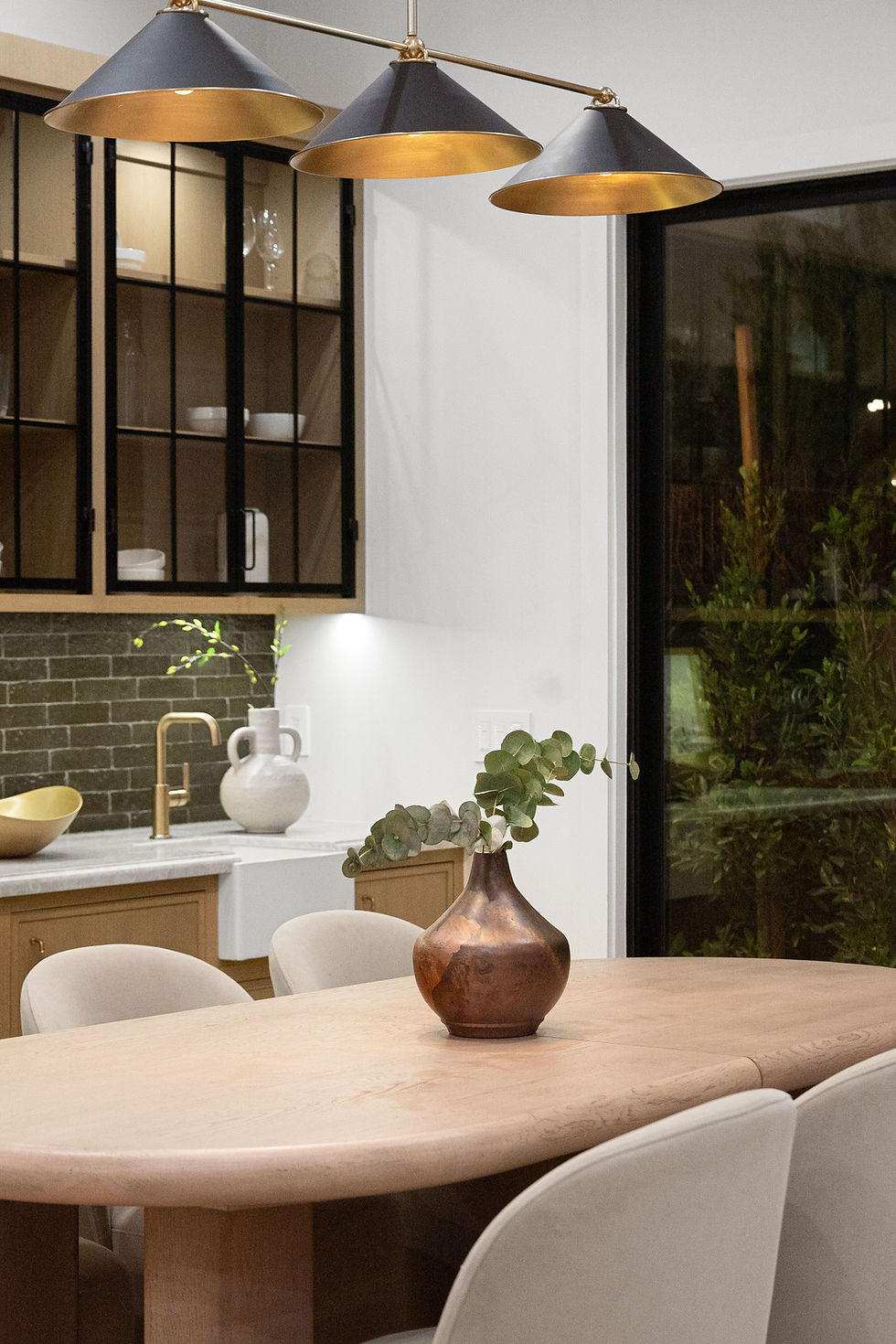
Designing a modern, moody space is a sophisticated endeavor. It involves blending deep, rich colors with clean, contemporary lines to create an atmosphere that is both inviting and stylish. While the results can be stunning, this design style comes with its own set of challenges. A few common missteps can quickly turn a room from a cozy, chic sanctuary into a space that feels dark, heavy, and unbalanced.
Navigating the world of dark palettes and modern aesthetics requires a careful touch. This guide will highlight five common design mistakes to avoid when creating your moody interior. With these practical tips, you can ensure your space feels balanced, functional, and effortlessly elegant.
1. Forgetting to Balance Light and Dark
The most frequent mistake in moody design is creating a space that is overwhelmingly dark. While deep colors are the foundation of this style, a lack of contrast can make a room feel oppressive and smaller than it actually is. The goal is to create drama and intimacy, not a cave.
How to Fix It: Create Intentional Contrast
Balance is key. For every dark element you introduce, consider adding a point of light to create visual relief. If you paint your walls a deep charcoal or navy, offset them with lighter elements.
Furniture and Decor: Choose a sofa in a lighter color like cream, soft gray, or even a rich camel leather. Use light-colored area rugs to break up dark flooring. Artwork with a bright background or metallic frames can also lift the space.
Architectural Features: Keep ceilings, trim, and doors a crisp white or a lighter neutral. This frames the dark walls and prevents the room from feeling closed in. The contrast draws attention to the room's structure and adds a clean, modern finish.
Think of it as a push-and-pull. The interplay between light and dark is what creates a dynamic and sophisticated environment.
2. Neglecting a Layered Lighting Plan
Relying on a single overhead light fixture is a design sin in any room, but it’s especially unforgivable in a moody interior. A single, harsh light source will cast unflattering shadows and fail to highlight the rich textures and colors you’ve chosen. It completely undermines the cozy, intimate atmosphere you’re trying to build.
How to Fix It: Illuminate with Purpose
A successful moody space depends on a layered lighting strategy that creates pools of warm, inviting light. Think about lighting in three distinct layers:
Ambient Lighting: This is your general, overall light source. A stylish chandelier or flush-mount fixture on a dimmer switch provides functional light when needed and allows you to control the intensity.
Task Lighting: This includes focused light for specific activities. Place floor lamps next to armchairs for reading or hang pendants over a kitchen island for food prep. These functional lights also add to the room’s decorative appeal.
Accent Lighting: This is where you create the mood. Use wall sconces to cast a soft glow, picture lights to highlight artwork, or place small table lamps on sideboards and consoles. Choose bulbs with a warm temperature (around 2700K) to enhance the cozy feeling.
By combining these three types of lighting, you create a space that is both functional and full of ambiance.
3. Ignoring the Power of Texture
A room painted in a single dark color with furniture in similar flat finishes will feel one-dimensional and uninspired. Moody interiors thrive on texture to add depth, warmth, and visual interest. Without a variety of materials, the space can feel cold and sterile, despite the rich color palette.
How to Fix It: Mix and Match Materials
Texture is what makes a moody room feel touchable and luxurious. Aim to incorporate a wide range of materials that contrast and complement each other.
Soft Textiles: Use plush velvet for sofas or accent chairs, chunky knit throws on the bed, and bouclé pillows for a soft touch. Linen or silk curtains can add a layer of elegance and diffuse light beautifully.
Natural Elements: Wood is essential for adding warmth. Consider a live-edge coffee table, a sleek walnut console, or even just wooden picture frames. Jute or wool rugs can ground the space with their natural, organic feel.
Hard Surfaces: Contrast soft textiles with hard materials. A marble-topped side table, a leather armchair, or polished brass accents on lighting and hardware add a touch of modern sophistication.
The combination of these textures creates a rich, multi-sensory experience that makes the room feel curated and complete.
4. Overlooking the Role of Greenery
A common pitfall in moody design is creating a space that feels lifeless. Without natural elements, a room dominated by deep colors and modern furniture can sometimes feel more like a showroom than a home. Plants and greenery are essential for breathing life and organic beauty into the space.
How to Fix It: Bring the Outdoors In
Plants provide a vibrant pop of color that stands out beautifully against a dark backdrop. They also add natural, sculptural forms that soften the clean lines of modern furniture.
Choose the Right Plants: Don't worry about low light. Many houseplants thrive in less-than-sunny conditions. Snake plants, ZZ plants, and pothos are famously low-maintenance and do well in rooms with less natural light.
Create a Statement: A tall fiddle-leaf fig or a monstera in a corner can act as a living sculpture. The large, lush leaves create a dramatic focal point.
Use Stylish Planters: The pot is just as important as the plant. Choose planters made from materials that complement your design, such as terracotta, ceramic, concrete, or metal.
Even a simple vase with fresh-cut branches or flowers can add the perfect organic touch to prevent the room from feeling too stark.
5. Choosing Clutter Over Curation
Moody interiors are designed to feel intentional and sophisticated, not chaotic. Because dark colors can make a space feel more enclosed, clutter becomes much more noticeable. Too many small, disconnected decor items can quickly make the room feel messy and visually overwhelming, detracting from the elegant aesthetic.
How to Fix It: Practice Thoughtful Curation
In a modern, moody space, less is almost always more. Every object should feel like it has a purpose and contributes to the overall design story.
Go for High-Impact Pieces: Instead of scattering many small trinkets, invest in a few larger, statement decor pieces. A large piece of abstract art, a sculptural floor lamp, or an oversized mirror can have a much greater impact. A mirror, in particular, is a great tool for bouncing light around a darker room.
Group Items Together: If you have a collection of smaller items, group them together in a cohesive vignette on a tray, shelf, or console table. This creates a single, intentional focal point rather than a collection of random objects.
Embrace Negative Space: Don't feel the need to fill every empty surface or corner. Allowing for "breathing room" in your design is crucial for achieving a clean, modern look. This negative space helps highlight the pieces you’ve chosen to display.
Conclusion: Design with Confidence
Creating a modern, moody interior is a rewarding process that results in a deeply personal and stylish home. By avoiding these five common mistakes, you can navigate the design with confidence. Remember to balance light and dark, layer your lighting, embrace texture, add natural elements, and curate your decor thoughtfully. With these principles in mind, you'll be well on your way to crafting a space that is the perfect blend of cozy, modern, and undeniably chic.


Comments